Saturday, July 23, 2011

New Mexico Game Commission Approves End to Ban Trapping

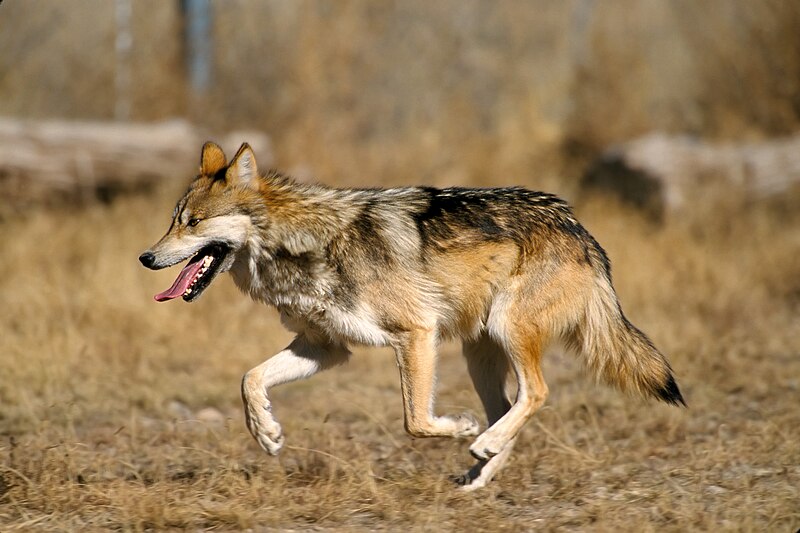
A Mexican wolf in motion

It has been recently reported that the game commission of New Mexico has voted unanimously in favor of the Fish and Game Department to end the ban of trapping in the state's southwestern side. The vote caused a great deal of disappointment for conservationists, who had sent thousands of emails and letters to the commission to support keeping the ban. The reason is because the southwestern part of the state has been used by federal officials to reintroduce the critically endangered Mexican wolf. Without this ban on trapping, the wolf is definitely off the road to recovery.

The ban on trapping was approved last summer by former Democratic Governor Bill Richardson, who was a strong supporter in the wolf reintroduction effort. Due to this, the commission extended the ban last fall which gave researchers more time to study the dangers of trapping and snaring to the wolves. Although they had done their work, a report summarizing their findings is still not yet made public. During this holdup, conservation groups suspected and accused the Fish and Game Department of collaborating with livestock and trapping groups in order to influence the game commission's decision-making process. They even claimed that the commission refused to provide information related to meetings the department had with the industry groups. According to Wendy Keefover, director of WildEarth Guardians' carnivore protection program, the commission had made up its mind. However, most of its members were appointed by Republican Governor Susana Martinez who had expressed her concerns about the wolf programs' impact on ranchers. Both the WildEarth Guardians and the Sierra Club claimed they had received documents, which indicate that the commissioners met with the Sportsmen and Landowners' Coalition regarding trapping rules on June 16th. The commission did not provide any records of the meeting, except emails that referred to it differently. The groups also claimed that the documents showed a department employee had issued a petition for the New Mexico Trappers Association in support of trapping.

I'm very disappointed by the fact that New Mexico's game commission has voted to end the ban on trapping. This type of action has put the Mexican wolves in jeopardy. Unlike their northern relatives, these wolves are in low numbers but this concept does not seem to sit well with ranchers and other industry groups. These people simply do not care about the animals' status, and would rather shoot them on sight for the fear of their livestock. But what really appalls me the most is that the Fish and Game Department decided to pull out of the project in reintroducing these wolves into the wild. Furthermore, conservation groups claimed that the department had been collaborating with livestock and trapping groups in order to influence the commission's decision-making. I personally find this as a scheme to hamper with the reintroduction project. People in New Mexico should first learn to understand about the status of these wolves before doing anything. Any form of killing will make the future look bleak for the animals. There should be strict laws imposed on either either trapping or killing of these wolves. They are vital in the desert ecosystem of the American Southwest. Without them, the desert region would never be the same.

View article here  

Tuesday, July 19, 2011

Chain-link Fencing Blamed for Bandhavgarh National Park's Man-Tiger Conflict

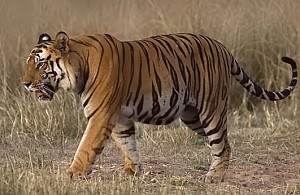
A tiger in Bandhavgarh National Park

Recently, Bandhavgarh National Park has been brought to the news regarding two sub-adult tigers who were declared man-eaters and sent to Van Vihar Zoological Park in Bhopal. The two cubs were captured after a forest guard was killed in a tiger attack last week. His half-eaten torso was found near the Haradia Forest Camp in the national park's Tala range. Before that, two people were killed by the big cats but neither were eaten. The two cubs, aged about two years and five months, were born to a tigress named Mirchahani in 2009. Sources said they were learning to hunt and survive.
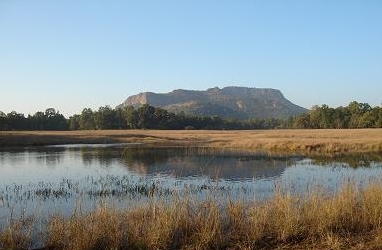
Bandhavgarh National Park with Bandhavgarh Fort in the back

According to Field Director C.K Patil, the cubs had to be taken to the zoo for fear of retaliation by villagers. However, tiger expert Belinda Wright pointed out the root of the problem. She stated that chain-link fencing is intensifying the man-tiger conflict in the reserve. She further added that it has severely restricted the passage for tigers and other wild animals within the reserve. And due to limited space in the area, sub-adult tigers are forced to move out into surrounding villages. In addition to that, wildlife experts argued that a juvenile tiger sent to a zoo would not be able to hunt for itself and locking up such animals for the remainder of their lives would be a huge blow for wildlife conservation. They further added that there was no proper evidence to conclude which tigers had killed and eaten the forest guard. They even pointed that according to the National Tiger Conservation Authority (NTCA), a tiger is declared a man-eater only after it has killed and eaten three people. Ms. Wright also stated that heavy presence of forest personnel within the national park has made it susceptible to attacks. Adding to that, wildlife scientist Raghu Chundawat said that there should be proper planning on how to handle such wild animals and that sending them to a zoo is not the solution. He felt that the problem of shrinking tiger habitat versus the increasing tiger population across India requires an immediate policy decision.
Shesh-Saiya statue in Bandhavgarh

I'm also very appalled and disgusted by the fact that these two tiger cubs were taken to a zoo without any proper proof to show whether they really were man-eaters or not. The question is if they had killed and eaten that one forest guard, why did they not eat the previous two victims? I feel that this matter should be thoroughly investigated, but at the same time, special attention should be turned towards Bandhavgarh. It has been pointed out that chain-link fencing is limiting the amount of space for the wildlife. In turn, many animals, including tigers, are forced to venture out to nearby village areas. I believe that chain-link fences should be removed from areas frequented by wild animals. However, it is important to set them up around the perimeters of villages in order to minimize any human-wildlife conflicts. Also, there should be a certain limit on the presence of forest personnel in the forests. This way, there would be less chances of attacks on forest guards. I also happen to agree with Dr. Chundawat that there should be proper methods in handling such animals. Just locking them up in zoos on suspicions of being man-eaters is not always the solution. One has to have solid evidence in proving whether the culprits really are man-eaters or not. Bandhavgarh National Park is said to have up to sixty tigers, making it one of the most successful places regarding tiger conservation. However, the shrinking of habitat combined with the ever-increasing tiger population makes the place prone to man-tiger conflicts where either humans or tigers could be killed one way or another. This why it is crucial to help conserve the tiger habitat, in order to avoid such situations.

View article here

Sunday, July 17, 2011

Women's World Cup- Musk Deer Glands Blamed for Failed Steroids Test

North Korean Women's Team

It has been recently reported that five North Korean soccer players at the Women's World Cup had tested positive for steroids. Officials blamed the traditional medicine using glands from musk deer for the shocking results. Sepp Blatter, President of FIFA, expressed his feelings that it was truly shocking after two players were caught during the tournament this month and three others were revealed after testing the entire North Korean squad. This was the second doping incident in the history of the Women's World Cup. The first one occurred in late June when Yineth Varon of Colombia was suspended after failing an out-of-competition test before the World Cup. According to the Colombian Football Federation, Varon had hormonal treatment which led to a failed drug test.
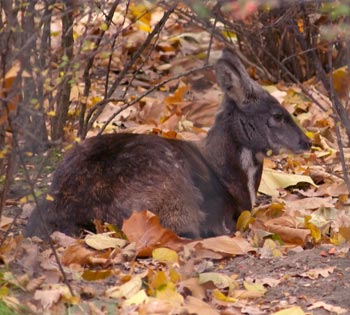
Siberian musk deer

FIFA had heard from the North Korean delegation that the steroids were taken accidentally with traditional Chinese medicines based on musk deer glands. The medicines were used to treat those players who had been struck by lightning on June 8th during a training session. Among the players who tested positive were defenders Song Jong Sun and Jong Pok Sim. They were suspended for the last match after North Korea's first two group games. According to Jiri Dvorak, FIFA's chief medical officer, this was the first case in which musk deer gland was discovered. The North Korean team mentioned the lightning incident after losing their opening match to the United States. But when the officials were asked about that, they refused to clarify on the circumstances.
Song Jong Sun was one of five women suspended on doping charges

I think this report clearly highlights one of the dangers of the illegal wildlife trade, and also contradicts that none of the body parts of different animals have medicinal purposes. In this case, it was the musk deer. Usually, its gland has been highly valued in the perfume industry which put the deer on the brink of extinction. However, in terms of traditional Chinese medicine, the gland is viewed as a medicinal source as with several other body parts of endangered species. According to the North Korean account, the gland was used in treating players that had been struck by lightning during a training session. During the process, steroids were taken accidentally. It appears that somehow the drugs were unexpectedly injected into the parts of bodies of those women who were being treated after the lightning strike. It seems that maybe they were under the impression that the liquid extracted from the musk deer would somehow shield the steroids from affecting the their bodies such that they would not fail the test. Unfortunately, it never worked as hoped. And that is why the officials blamed the musk deer glands for causing those players who tested positive for steroids. My theory is that no matter what type of medicine taken along with steroids to treat an abdominal wound, steroids will always affect the body and mind even after one is fully recovered from the wound.

View article here

Friday, July 15, 2011

Amazonian Indigenous Conservation Campaign Stops Deforestation

Cofan tribal instruments

Recently, a fundraising campaign called the Campaign for 5000 was launched by the Fundacion para la Sobrevivencia del Pueblo Cofan (FSC) and its branch the Cofan Survival Fund in order to support a Cofan Ranger Park Guard program. This program, established by the indigenous Cofan people of northern Ecuador, has successfully protected over one million acres of the world's most biodiverse forests in the world. Many of the Cofan ancestral territories, which range from 300 to 14,000 feet above sea level, had been targets for illegal logging, oil extraction, and poaching. In response to these threats, the Cofan Ranger Park Guard Program was established in 2002.

Jaguar
Currently, the program consists of sixty members who patrol and maintain hundreds of miles within these territories. In addition to that, the men and women perform duties such as monitoring and recording presence of endangered species such as the jaguar, tapir, and spectacled bear. They also maintain tabs on the health and integrity of the ecosystem. Interestingly, satellite imagery from the last decade has clearly shown that the rainforests under Cofan protection were fully intact. This maintenance has also prevented the release of CO2 emissions. In fact, a recent study sponsored by the Nature Conservancy estimated that the program has kept over 90,000 metric tons of carbon from being released into the atmosphere each year. The Cofan people have now set up a fundraising campaign called Campaign for 5000. This model's purpose is to create a partnership of 5000 members worldwide, who would contribute $10 or more per month to the program. This donation will sustain the conservation work by covering ranger salaries, food, transportation, training building, and field equipment. However, it will also help in reduction of CO2 emissions by 60 % and preservation of 2,000 acres of forests.
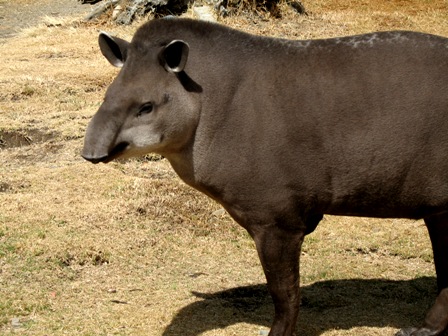
Tapir
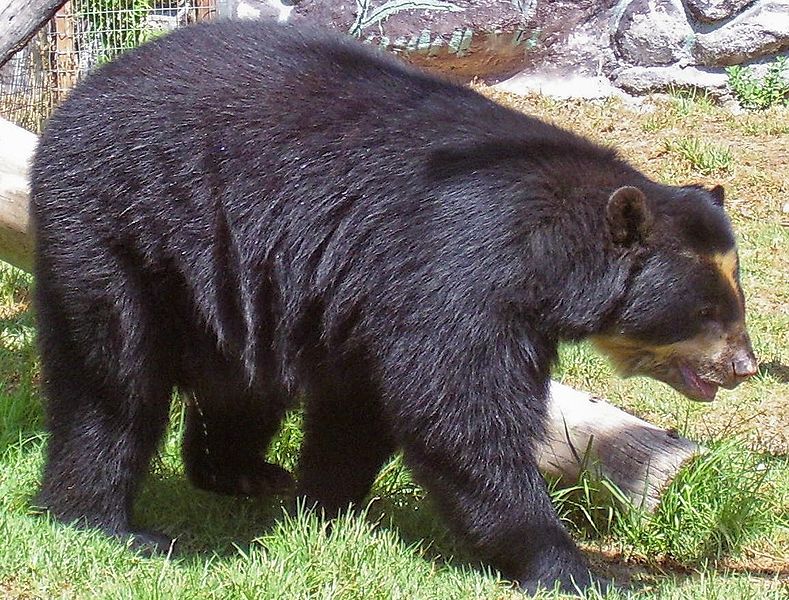
Spectacled bear

I'm extremely happy and proud to see what the indigenous people of Ecuador have been doing in order to help preserve the biodiverse forests. Not only do these habitats serve as places of rich diversity of wildlife, but are also an ancestral heritage to the Cofan people. I personally think that this is a clear example of how an indigenous group of people works together, in order to help the global environment. The Cofan people are a good example of indigenous people, who are helping make a difference in this world. However, there are also other indigenous people who live in biodiverse hotspots. These include various tribes in Africa. It is hard to tell which ones are conducting a similar strategy, but there are also those who live up to their traditional beliefs and commit acts which cannot be beneficial for either the local wildlife or the environment. For example, in the case of the Masai, killing a lion is perceived as an act of bravery but can also affect the wildlife significantly. In addition to that, they raise their livestock in areas which could have a significant number of wildlife. This is why I believe that indigenous people in other biodiverse places should follow the example of the Cofan, in order help protect their land, their local wildlife, and most importantly, the global environment.

View article here  

Monday, July 11, 2011

Shrinking Rabbit Population Affects Iberian Lynx Population

European rabbit

The Donana National Park in south-western Spain is famous for being the last refuge of the endangered Iberian lynx. This shy and beautiful cat has suffered several several types of threats, including shortage of its favorite prey: rabbits. The rabbit population had suddenly dropped during the late 1980s as a result of viral hemorrhagic disease (VHD). This disease not only affected the lynx, but also other carnivore species such as the fox, the Egyptian mongoose, the genet, and the badger. A team of Argentinian and Spanish researchers investigated this case, and found that the downfall in rabbit population has mostly affected the lynx which could not hunt any other prey.

The red fox; one of few carnivores to adapt following the collapse in rabbit population.


The team's data has shown that the biggest drops in rabbit consumption were observed among the badger and fox populations, from 71.8 % to 26.2 % and 20.2 % to 9.8 %. But despite the drop in rabbit population, the fox had substituted the animals for other prey like birds, small mammals, and even ungulates (in form of carrion). According to Dr. Pablo Ferreras of the Research Institute on Cynegetic Resources (IREC), the fox population had benefited during the last five following the disease's arrival. He further added that the population of genets and mongooses also sustained due to maintenance in rabbit consumption.

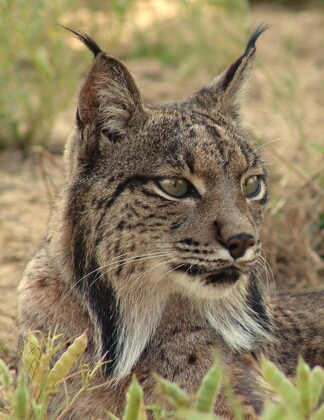
The Iberian lynx; a flagship species that prefers only rabbits and no other prey species.


The lynx, on the other hand, never substituted the rabbits for any other prey. Dr. Ferreras pointed out that the rabbit constitutes to 75 % of the cat's diet, making it a specialist. The researchers also pointed out that the disease changed the lynx's social system. That is, it became less territorial, and in the case of females, their home range size expanded. This meant that that the number of sub-adults stayed in areas where they were born. Based on the findings, the researchers said that the current rabbit populations are still feeling the aftershocks from the collapse. They also said that further predation is affecting the population recovery. This could lead to shortage in rabbit population, which would jeopardize the lynx population.

I'm very much shocked to see how the Iberian lynx population has been affected by the shortage of prey. These cats seem to prefer mostly rabbits, and not any other prey. I feel that some serious action is required in order to help reboost the rabbit population before it plummets down any further. According to the researchers, the recommendation is management measures with the options of habitat improvement and restocking programs. I believe that another solution would be reintroduce more rabbits from elsewhere in Europe where they were introduced. These cute and cuddly creatures were introduced as an exotic species in places like England. While the VHD has proved to be effective in Australia where the species is an exotic pest, in Spain it is a completely different story. I think, in order to reintroduce the species back, a useful tip would be to test individuals for the virus. At the same time, research on developing a vaccine should be undertaken. The population of the rabbits in Spain is at stake and so is the lynx. Without any action, both species' populations in Donana would be lost forever.

View article here     

Sunday, July 10, 2011

Thai National Arrested in South Africa for Illegal Trade of Rhino Horns


A Thai national was recently arrested by a joint operation conducted by the South African Revenue Service (SARS), the Hawks, and forensic investigator Paul O'Sullivan. The 43-year-old, believed to be a kingpin in the illegal trade of rhino horns, was arrested at a house east of Johannesburg in the town of Edenvale. He was previously searched by SARS officials at the OR Tambo International Airport upon his arrival on June 13. SARS spokesman Anton Fisher stated that the officials uncovered various documents, including an order for fifty sets of rhino horns, a computer, and a cellphone. He further added that the suspect allegedly used rhino-hunting permits under false pretenses. That is, such permits issued under CITES (Convention on the International Trade in Endangered Species) are for trophy hunting and not for the illegal trade. It is thought that once a rhino has been killed on a supposed hunting trip, its horn would be sent overseas by the suspect who pays an average of 65,000 rands per kilogram. Fisher also stated that an extensive investigation by SARS following the suspect's arrest led to his activities and a trading company based in Laos. A similar arrest was made yesterday following a successful prosecution of another Thai national named Punipak Chunchom, who was charged with the illegal possession of lion teeth and claws. Both he and this man worked for the same company.

Although I'm satisfied by the arrest of this national, this news article highlighted a key piece of evidence behind trophy hunting in Africa. That is, once the clients have successfully killed an animal of their choice, they would secretly export the body parts of that animal overseas to such import/export companies. In this case, the animal has been a rhino. However, other animals like lions also become victims of such secretive and illicit activities functioning within what may be a tool for conservation. Although I'm not an advocate in hunting, I feel that trophy hunting businesses should be closely monitored regarding the illegal trade of wild animals sought as big game. This method should especially be used in South Africa, which has lost a great deal of its rhinos to powerful criminal syndicates using sophisticated technology in exploiting the land and its wildlife.

View article here

Friday, June 24, 2011

Studying Abroad in Tanzania

Hey everybody. Sorry I have not been keeping you all updated with any news on wildlife and conservation all this time. I had been attending a study abroad program in Tanzania. This program allows students to actively participate in activities related to wildlife management in national parks like Lake Manyara, Tarangire, Ngorongoro Crater, and of course the Serengeti. This program is one of many provided by the SFS (School for Field Studies). During my stay, I had been traveling with other students to these remote and exotic places and seeing some of the most amazing wildlife in the world. In addition to that, I have also been experiencing the Tanzanian culture by interacting with the local people, including the Masai. I will be returning on July 5th, and keep everyone updated on any such news.