Tuesday, July 13, 2010

Pangolins Seized in China

Pangolin embryos

Chinese authorities made a macabre discovery after seizing a cargo containing a whopping nearly 8,000-tonne load of pangolins (scaly anteaters). What made the situation even more sadistic was that the victims were in their embryonic stages, and were almost bound to be served as delicacies. It was believed that consuming a pangolin would help mothers with breastfeeding. But then as with every other wild creature, the belief in such remedies through consumption is an illusion. This is certainly a genuine, yet horrific representation of the illegal wildlife trade. It is not just healthy grown animals that are victims, but also young ones often in their developing stages.

I'm very appalled to find how ruthless such operators of this illicit and lucrative business are. Based on this article, many of them are not just criminals but also baby-killers. I sure hope this report may also be a reminder to not just toughen the anti-poaching laws, but also allow authorities to further combat illegal poaching in places where the wildlife trade is sweeping.

View article here

Monday, July 12, 2010

Seven Bears Killed by Poachers in Nepal

Himalayan black bears

In Nepal's Panchthar District, seven bears were counted to have been killed by poachers last year. The animals have been said to enter the district's villages from the forests of Singhalila National Park (in the Indian state of West Bengal) just across the border. According to the villagers, the poachers would continue to kill the bears when no compensation was paid for a crop or an attack. In my opinion, this goes to show what consequences occur when a community relies on criminals for protection. In this case, the poachers would do what they normally do best; and that's continue the onslaught of illegally killing the endangered wildlife in Nepal and the Indian subcontinent. I sure hope that Nepal's forest department, along with forest officials will plan tactics in order to keep the bears safe from poachers and relocate them in safe areas away from human habitation.

View article here

Sunday, July 11, 2010

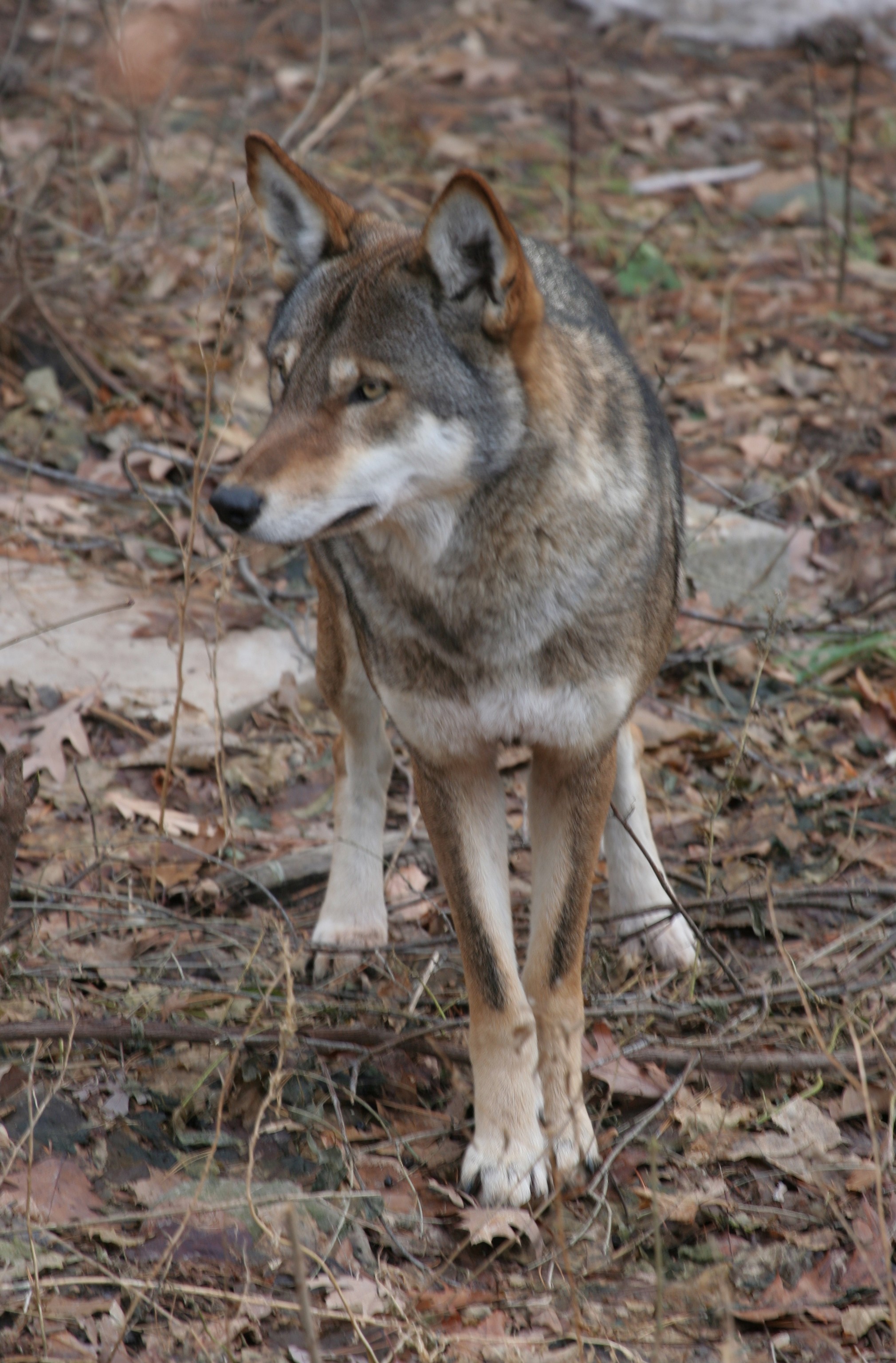
Red Wolves Threatened in their North Carolina Homeland

Red wolf

It has been twenty years since a conservation program to restore the rare red wolf, a smaller cousin of the mighty gray wolf, from the brink of extinction in the state of North Carolina. But now, these truly unique and rare subspecies are being persecuted by the locals resulting in their decline. At one time, red wolves ranged throughout the southeastern corners of U.S but years of persecution dwindled their population.  They are now found nowhere else but in the state of North Carolina. Just like it's larger relative, the red wolf is facing persecution as of now by local residents as a vermin. In addition to humans, other threats include vehicle collisions and cases of mistaken identities where hunters and landowners mistake these wolves for coyotes (North American equivalents of jackals). Yet surprisingly, during the early stages of restoring the red wolf population, conservationists mated the surviving individuals with coyotes. This led to some critics believing that red wolves are not genuine wolves, but coyote-hybrids.

I can just hope and pray that the conservation effort to repopulate the red wolf population comes up with some solutions to prevent the species (or subspecies) from continuing to dwindle. Maybe one way to prevent such a downfall would be to educate the public about the animals, and what roles they play in the native ecosystems. It would also help to how to distinguish these canids from coyotes. This is because the red wolf is one of the most critically endangered species in the U.S. Without its existence, how will the wilderness areas of North Carolina be able maintain their ecological balance. The only other "predators" in North America are black bears, foxes, bobcats and coyotes, who tend to have more omnivorous feeding habits than the red wolves.

View article here

Thursday, July 8, 2010

New Species of Batfish Discovered in Gulf of Mexico

A newly-discovered batfish species

The B.P oil spill of the Gulf of Mexico had tremendously damaged its marine life. However, during the cleanup and relocation of marine life, researchers made a fascinating discovery: two new species of batfish (a type of flatfish). Before that, there was only one known species of this fish. They were named for their way of crawling on the bottom which was similar to that of a bat. Another interesting fact was that all three species were previously considered as one species. But now, scientists have classified them as three distinctive species.  It's amazing how when a major environmental disaster affects a biome can wield new and unusual surprises. I certainly hope that like all other marine animals, these newly discovered species will be protected from the oil spill. So that marine biologists and researchers will get a chance to study these fish when the gulf is cleaned of the oil.

View article here

Wednesday, July 7, 2010

Father and Son Convicted for Poaching a Bighorn Sheep in Colorado

Bighorn sheep

A father-son duo from Arvada, Colorado have been convicted and fined for illegally poaching a bighorn sheep two years ago. The two men have also been suspended their rights to either hunt and fish anywhere in the U.S. They were seen by DOW (Division of Wildlife) agents with the sheep's head strapped to their luggage and a hunting rifle held by the son. The father, Henry Butler, has faced multiple charges three months ago ranging from hunting without a license to illegal possession of wildlife. 

This news, in my opinion, gives a clear representation of how laws regarding wildlife protection and management function in the U.S. Perpetrators are usually sentenced to as many as three months behind bars. This is very different from laws in exotic places like Africa and tropical Asia, where penalties are much stiffer. Another interesting fact I saw in this article was that the bighorn sheep is Colorado's state animal. This is different from California, where the grizzly bear is the state animal and has long been extinct. Seeing a magnificent creature like the bighorn sheep in Colorado makes me think how lucky the state's residents are for having it as a state animal still flourishing after generations.

View article here

Tuesday, July 6, 2010

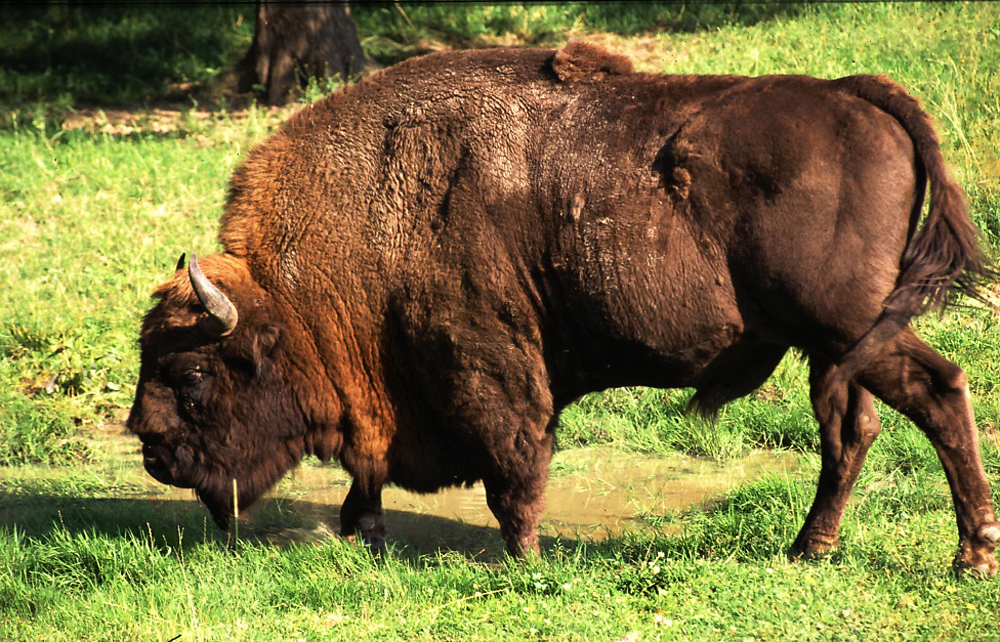
Ukraine's European Bison Threatened to Extinction

European bison

Many say that when they think of the word 'bison,' it is the so-called "American buffalo" which once numbered in millions throughout North America and later dwindled due to a fierce competition by the Native Americans and early settlers. However, half way across the world in Europe, there is another species of bison that suffered the same fate as its western cousin: the European bison. At one point, it had been labeled as "extinct in the wild" but later recovered thanks to captive breeding and reintroduction into Poland's forests.

While Poland's bison population is currently stable, Ukraine's population is a completely different story. It has been found that although they are an endangered species, people still continue to hunt them. In addition to bullets, the animals are also threatened by disease and food shortage. Even more worse is that Ukraine has not been receiving enough funding from its government, which resulted in forest officials not wanting to keep the animals and that money was needed for their food. Therefore, the bison have been forced to raid crops bringing them vulnerable to danger from angry farmers.

I feel that Ukraine is in a great need of help regarding its bison population. I think one way it might help is if the nation could collaborate with Poland and other central European countries known to house bison in their forests. That way, they will be able to come up with solutions to save Ukraine's bison population from the brink of extinction.

View video here

Tiger Conservation Meeting to be held in Indonesia

Tiger

The island of Bali will be hosting a crucial meeting regarding tiger conservation for three days. This meeting is going to be attended by tiger experts, representatives, and senior government officials from thirteen countries home to wild tigers. The goals of this meeting are to come up with solutions, in order to convey the message of threats tigers are facing and even help double the population by the year 2022 (the next year of the tiger). This is a clear representation of how different nations come together in talks to discuss one global dilemma affecting our world: the current state of its tiger population. I'm very happy that all these nations known to have tigers in their wild lands team up together, and plan solutions to help save and protect these magnificent creatures. Also, the meeting will consist of tiger experts who are going to help with their knowledge about the animals so that no mistakes will be made while planning out the solutions.

View article here